Obstructive Sleep Apnea
What it is and what you need to know.
Obstructive Sleep Apnea (OSA) is one of the most common sleep disorders — and one of the most frequently undiagnosed. Here's where to start.
1B
Adults affected by OSA worldwide
80%
of cases remain undiagnosed
6+ years
Average time between a formal diagnosis
Definition
What happens during an apnea episode
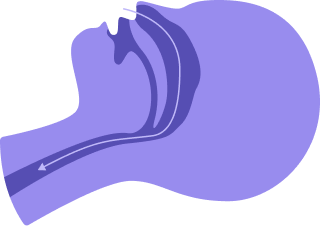
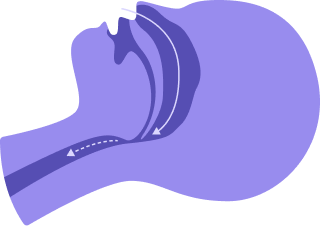
During sleep, the muscles supporting the upper airway relax. In people with OSA, this causes the *+airway to narrow or close entirely**, blocking airflow to the lungs.
When breathing stops, oxygen levels drop and the brain briefly rouses the body to reopen the airway. Breathing resumes — often with a gasp — and the cycle repeats.
These interruptions, known as apneas, can occur dozens or even hundreds of times a night. Because the arousals are so brief, most people have no memory of them and wake unaware that their sleep has been repeatedly disrupted.
Symptoms
Recognising the signs
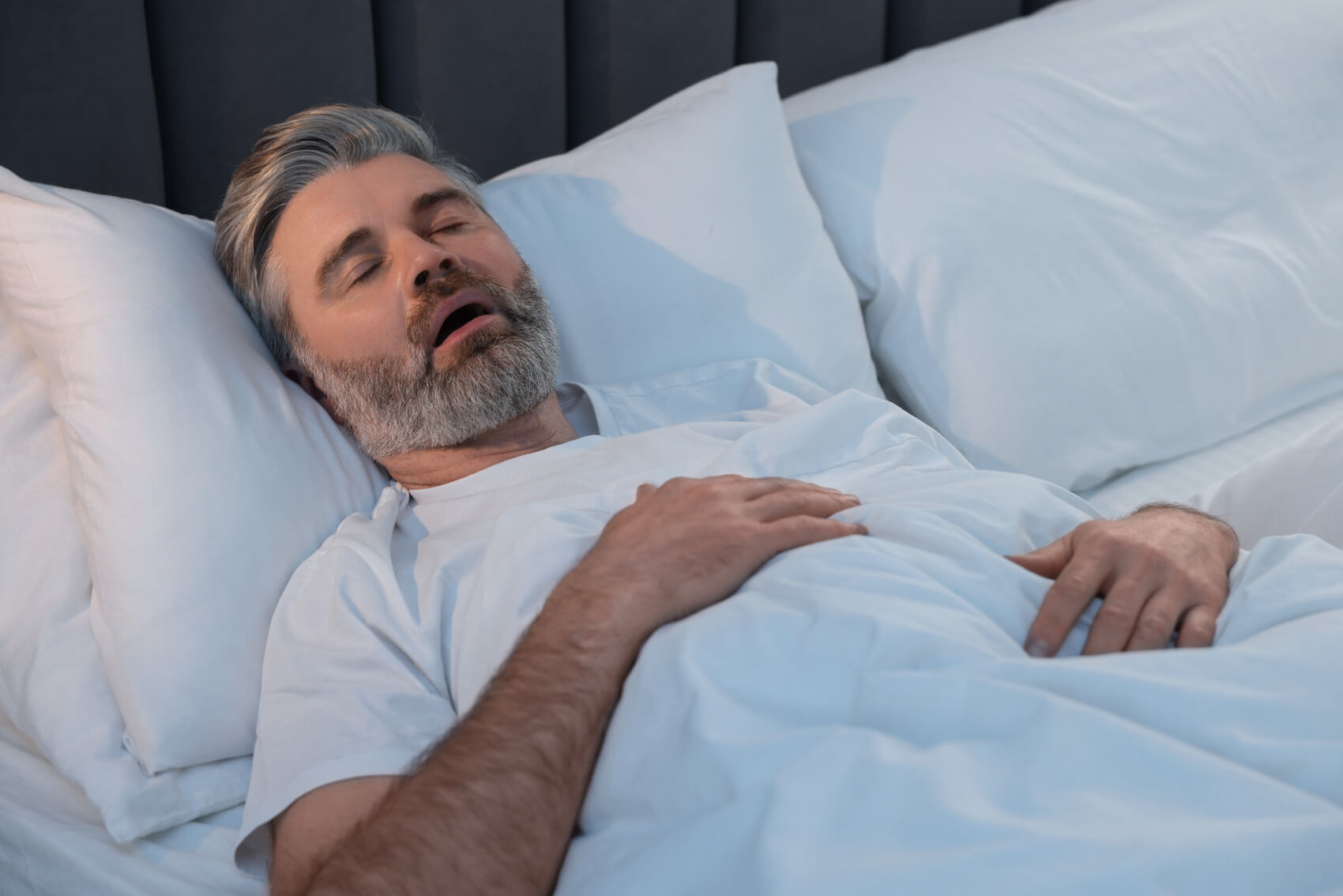
Because OSA occurs during sleep, many people are unaware of their own symptoms. The condition is often first noticed by a bed partner or family member. Symptoms typically fall into three categories.
Nocturnal symptoms
- Loud or persistent snoring
- Gasping, choking, or snorting during sleep
- Observed pauses in breathing
- Restless sleep or frequent waking
- Night sweats
Daytime symptoms
- Waking unrefreshed despite adequate sleep
- Persistent fatigue or low energy
- Difficulty concentrating or memory lapses
- Irritability or low mood
- Morning headaches
Signs reported by others
- Loud snoring audible from another room
- Witnessed breathing pauses
- Restless movement during sleep
Do any of these sound familiar?
Take the first step to understand what's happening.
Starsleep Explore lets you complete a clinically validated sleep test from the comfort of your own home. Results are reviewed by a Vivisol sleep medicine specialist and returned to you with a clear, actionable report.
Risks
The broader impact on your health
Sleep is essential to the body's ability to regulate, repair, and restore itself. When sleep is repeatedly interrupted, the consequences extend beyond daytime fatigue.
Cardiovascular
The repeated drops in blood oxygen during apnea episodes activate the sympathetic nervous system, raising blood pressure even during sleep.
It has been associated with an increased risk of hypertension, coronary artery disease, heart failure, and stroke.
Metabolic
Sleep fragmentation disrupts the hormonal regulation of glucose metabolism, independent of other risk factors such as obesity.
There is growing evidence linking OSA to insulin resistance and type 2 diabetes.
Neurological
Chronic sleep disruption impairs cognitive function, including attention, memory, and executive function.
Long-term untreated OSA has been associated with an elevated risk of depression and anxiety, and emerging research suggests a possible link with neurodegenerative conditions.
Road safety
Excessive daytime sleepiness significantly increases the risk of road accidents.
Studies suggest that drivers with untreated OSA are up to seven times more likely to be involved in a collision than the general population.
Diagnosis
How OSA is diagnosed
OSA cannot be confirmed on the basis of symptoms alone. Diagnosis requires an objective measurement of breathing, oxygen levels, heart rate, and sleep patterns during an overnight sleep test.
The results are used to calculate the Apnea-Hypopnea Index (AHI) — the number of breathing interruptions per hour of sleep — which determines both the presence and severity of the condition.
- Symptoms
- Home sleep test
- Report
- Specialist consultation
- Treatment plan
Treatment
An effective treatment for OSA
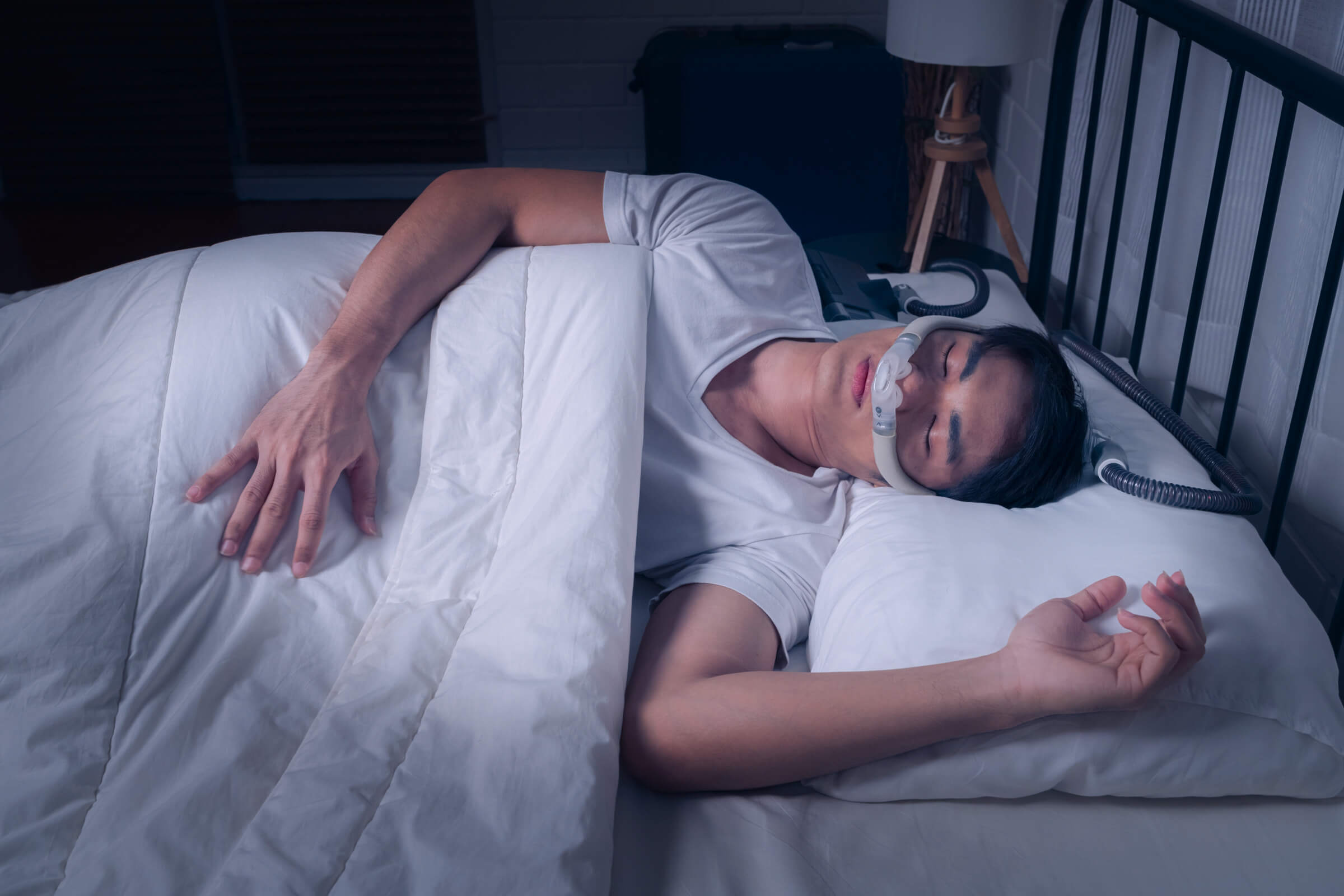
The most effective and widely studied treatment for moderate-to-severe OSA is positive airway pressure (PAP) therapy. A PAP device delivers a continuous or automatically adjusted flow of pressurised air through a mask worn during sleep, preventing the airway from collapsing.
The two most common forms are CPAP (Continuous Positive Airway Pressure) and APAP (Automatic Positive Airway Pressure), which adjusts pressure levels in real time based on detected airway resistance.
Most patients who adhere to PAP therapy report a significant improvement in sleep quality and daytime functioning within the first few weeks of treatment. Long-term use has been shown to reduce the cardiovascular and metabolic risks associated with untreated OSA.
Already have a diagnosis?
Let's get you sleeping well.
f you've been diagnosed with Obstructive Sleep Apnea, Starsleep Treat has everything you need to start therapy — a CPAP or APAP device, mask fitting at home, and a dedicated sleep coach to guide you through treatment.

You don't have to figure this out alone
Our specialists are here to answer your questions and help you take the next step with confidence.