Sindrome delle Apnee Ostruttive del Sonno
Cos'è e cosa devi sapere.
Le Apnee Ostruttive del Sonno (OSAS) sono uno dei disturbi del sonno più diffusi, ma tra i meno diagnosticati. Ecco da dove iniziare.
1 mld
Adulti colpiti dall'OSAS nel mondo
80%
dei casi resta non diagnosticato
6+ anni
Tempo medio tra i primi sintomi e una diagnosi formale
DEFINIZIONE
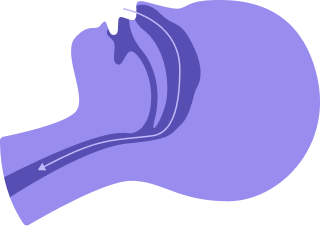
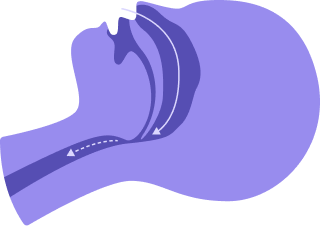
Cosa succede durante un episodio di apnea
Durante il sonno i muscoli che sostengono le vie aeree superiori si rilassano. Nelle persone con OSAS questo provoca un restringimento o una chiusura completa delle vie aeree, bloccando il flusso d'aria verso i polmoni.
Quando la respirazione si interrompe, i livelli di ossigeno scendono e il cervello sveglia brevemente il corpo per riaprire le vie aeree. La respirazione riprende, spesso con un sussulto, e il ciclo si ripete.
Queste interruzioni, chiamate apnee, possono accadere decine, persino centinaia di volte a notte. Poiché i risvegli sono brevissimi, la maggior parte delle persone non ne conserva memoria e si sveglia senza accorgersi che il sonno è stato disturbato più volte.
SINTOMI
Riconoscere i segnali
Poiché l'OSAS si manifesta durante il sonno, molte persone non si accorgono dei propri sintomi. La condizione viene spesso notata prima dal partner o da un familiare. I sintomi rientrano di solito in tre categorie.
Sintomi notturni
- Russamento forte o persistente
- Sensazione di soffocamento o sussulti durante il sonno
- Pause respiratorie osservate da chi sta accanto
- Sonno agitato o frequenti risvegli
- Sudorazione notturna
Sintomi diurni
- Svegliarsi stanchi nonostante si sia dormito abbastanza
- Stanchezza o scarsa energia persistenti
- Difficoltà di concentrazione o vuoti di memoria
- Irritabilità o umore basso
- Mal di testa al mattino
Segnali notati da altri
- Russamento udibile da un'altra stanza
- Pause respiratorie osservate dal partner
- Movimenti irrequieti durante il sonno
Riconosci qualcuno di questi segnali?
Fai il primo passo per capire cosa sta succedendo.
Starsleep Explore ti permette di svolgere un test del sonno clinicamente validato direttamente da casa tua. I risultati vengono rivisti da uno specialista in medicina del sonno di Vivisol e ti vengono restituiti con un referto chiaro e concreto.

RISCHI
L'impatto sulla salute, oltre il sonno
Il sonno è essenziale per la capacità del corpo di regolarsi, ripararsi e rigenerarsi. Quando viene interrotto in modo ricorrente, le conseguenze vanno oltre la stanchezza diurna.
Cardiovascolare
I cali ripetuti di ossigeno nel sangue durante gli episodi di apnea attivano il sistema nervoso simpatico, alzando la pressione anche nel sonno.
L'OSAS è stata associata a un aumento del rischio di ipertensione, cardiopatia ischemica, scompenso cardiaco e ictus.
Metabolico
La frammentazione del sonno altera la regolazione ormonale del metabolismo del glucosio, indipendentemente da altri fattori di rischio come l'obesità.
Sempre più evidenze collegano l'OSAS a insulino-resistenza e diabete di tipo 2.
Neurologico
L'interruzione cronica del sonno compromette le funzioni cognitive, tra cui attenzione, memoria e funzioni esecutive.
Nel lungo termine l'OSAS non trattata è stata associata a un aumento del rischio di depressione e ansia, e nuove ricerche suggeriscono un possibile legame con patologie neurodegenerative.
Sicurezza stradale
L'eccessiva sonnolenza diurna aumenta in modo significativo il rischio di incidenti stradali.
Studi suggeriscono che chi guida con un'OSAS non trattata ha fino a sette volte più probabilità di essere coinvolto in un incidente rispetto alla popolazione generale.
DIAGNOSI
Come si diagnostica l'OSAS
L'OSAS non può essere confermata sulla base dei soli sintomi. La diagnosi richiede una misurazione oggettiva di respirazione, livelli di ossigeno, frequenza cardiaca e fasi del sonno tramite un test del sonno notturno.
I risultati vengono usati per calcolare l'Indice di Apnea-Ipopnea (AHI), cioè il numero di interruzioni respiratorie per ora di sonno, che determina sia la presenza sia la gravità della condizione.
- Sintomi
- Poligrafia a domicilio
- Referto
- Visita specialistica
- Piano di terapia
TERAPIA
Una terapia efficace per l'OSAS
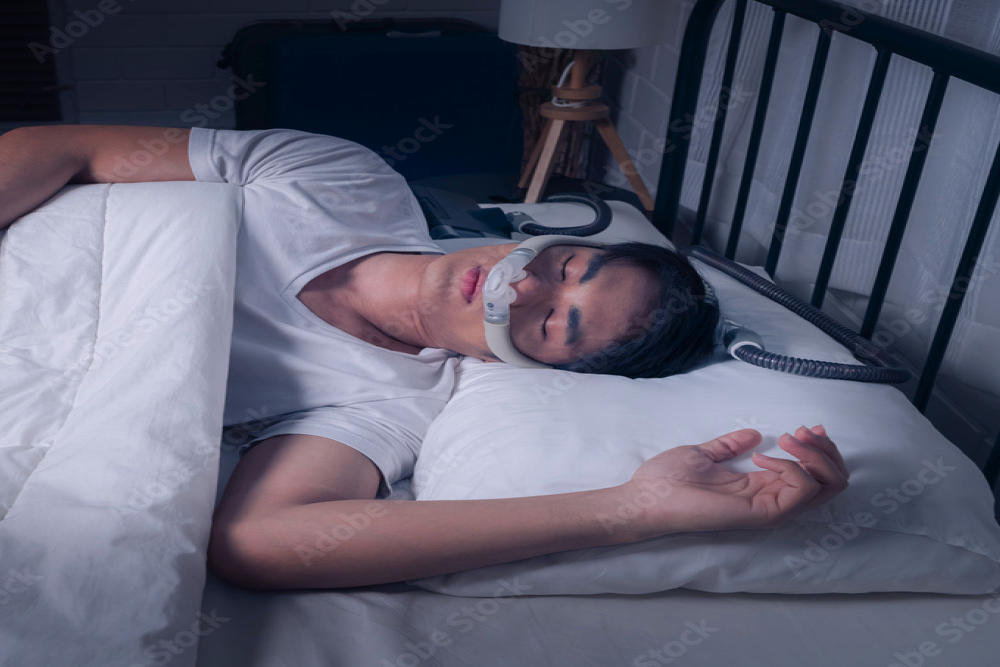
La terapia più efficace e più studiata per le forme di OSAS da moderate a gravi è la pressione positiva delle vie aeree (PAP). Un dispositivo PAP eroga un flusso d'aria pressurizzata, continuo o adattato automaticamente, attraverso una maschera indossata durante il sonno, impedendo il collasso delle vie aeree.
Le due forme più diffuse sono la CPAP (Continuous Positive Airway Pressure, pressione positiva continua) e l'APAP (Automatic Positive Airway Pressure, pressione positiva automatica), che regola in tempo reale la pressione in base alla resistenza delle vie aeree rilevata.
La maggior parte dei pazienti che aderiscono alla terapia PAP riporta un miglioramento significativo della qualità del sonno e del funzionamento diurno già nelle prime settimane. L'uso a lungo termine ha dimostrato di ridurre i rischi cardiovascolari e metabolici associati all'OSAS non trattata.
Hai già una diagnosi?
Ti aiutiamo a dormire bene.
Se ti hanno diagnosticato Apnee Ostruttive del Sonno, Starsleep Treat ha tutto quello che ti serve per iniziare la terapia: un dispositivo CPAP o APAP, il mask fitting a domicilio e uno Sleep Coach dedicato che ti accompagna nel trattamento.